
Furnace Smells Like Gas or Burning: What to Do Now
Smell gas? Leave first. If you smell gas, leave right away and don't use phones, switches or anything that could spark. Once you're outside and a safe distance away, call Nicor Gas at 888-642-6748 or 911. Don't try to find or stop the leak yourself. In Edison Park or Norwood Park (City of Chicago): leave and call Peoples Gas at 866-556-6002 or 911 from a safe place.
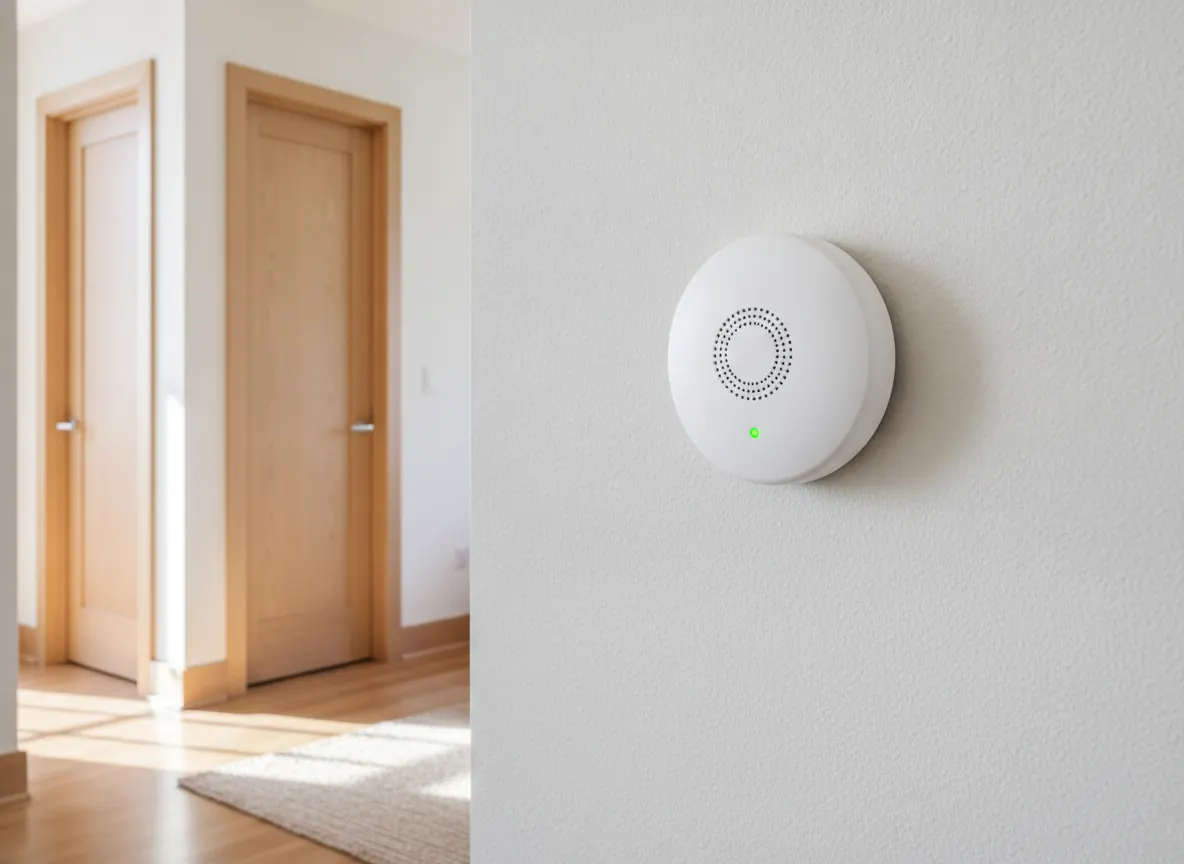
Carbon monoxide. If a CO alarm sounds or anyone feels sick, get everyone outside and call 911.
Read the box above before anything else. A rotten-egg smell near a furnace is not a repair question until you and everyone in the house are outside and the gas company or fire department has said it is safe to go back in. The rest of this guide is for after that, and for the more common burning smells that are usually less urgent but still worth understanding.
What a gas leak smells like
Natural gas has no smell of its own. Utilities add an odorant called mercaptan that gives it a "rotten egg" or sulfur smell. Nicor Gas notes that "odorant fade," while uncommon, can occur, and that some people may not smell gas at all. So a faint smell is not a reason to wait, and the absence of a smell is not proof that everything is fine. A hissing sound near a gas line or appliance is another warning sign.
Nicor Gas's safety advice is to avoid anything that could make a spark, including "cell phones, cigarettes, matches, flashlights, electronic devices, motorized vehicles, light switches or landlines," and to "Stay away until Nicor Gas or emergency personnel indicate it is safe to return." Don't open the furnace, don't shut valves you're unsure about, and don't go back in for belongings.
After the all-clear: who fixes what
Nicor Gas says it "owns and is responsible for maintaining the gas lines and meter that deliver natural gas to your home." If the leak was at the furnace, its gas valve or the connector feeding it, the utility may shut off or tag the appliance, and a heating company handles the repair. Nicor also advises that a new connector be installed every time an appliance is replaced.
If your furnace was red-tagged and money is tight, Cook County households can apply for LIHEAP through CEDA (800-571-2332). CEDA also offers furnace repair or replacement vouchers to eligible homeowners whose heat is out or red-tagged. Eligibility is not guaranteed.
Burning smells: what they usually mean
Most furnace smells are not gas. Here's how the common ones tend to break down. These are general patterns, not a diagnosis.
| Smell | Common cause | What to do |
|---|---|---|
| Dusty, burning smell on the first cold day | Dust burning off the heat exchanger and burners after months off | Usually fades after the first run. Change the filter. If it lingers, have it checked. |
| Burning plastic, rubber or hot electrical smell | Overheating blower motor, wiring or a part touching something hot | Turn the furnace off at the thermostat and the furnace switch, and call a heating company. If you see smoke, leave and call 911. |
| Rotten eggs or sulfur | Possible gas leak | Leave right away and follow the box at the top of this page. |
| Smoky or exhaust-like smell, stuffy air, headaches | Possible venting or combustion problem | Treat it as a carbon monoxide concern: get outside and call 911 if an alarm sounds or anyone feels sick. |
| Musty or stale smell when the blower starts | Dirty filter, damp ductwork or a humidifier pad that needs changing | Replace the filter; ask about the humidifier and ducts at a tune-up. |
The first-run dust smell is the one most people meet each fall. A furnace tune-up before the first cold snap, plus a fresh filter, often cuts it down.
Carbon monoxide: the smell you can't rely on
Carbon monoxide has no smell. That's why the alarm matters more than your nose. A furnace can produce CO when combustion goes wrong or when exhaust can't leave the house, for example because of a blocked flue, a disconnected vent pipe, or a crack in the heat exchanger. After heavy snow, check that outdoor furnace vent pipes aren't blocked; on a high-efficiency furnace, a blocked vent can shut it down, though clearing one won't fix every no-heat problem.
Illinois law requires a working carbon monoxide alarm within 15 feet of every sleeping room in most homes (430 ILCS 135). In rentals, the owner installs the alarms and the tenant tests them and changes batteries. Test yours when you change the clocks, and replace alarms when they reach the end of their life.
If a company tells you the heat exchanger is cracked, read cracked heat exchanger signs, risks and cost and the heat exchanger and CO safety page before deciding. It is reasonable to ask to see the crack or a photo, and to get a second opinion on a big replacement.
What a technician typically checks
Gas and combustion safety
Checks the gas valve and connections for leaks and watches the burner flame for color and stability.
Venting
Inspects the flue or plastic vent pipes, the draft and the termination outside for blockages or separations.
Heat exchanger
Looks for cracks, rust-through or signs of overheating, often with a camera or a combustion test.
Electrical and blower
Checks the blower motor, wiring and control board for overheating or burnt connections.
Filter and airflow
A badly clogged filter can make a furnace overheat and trip its safety limits.
CO check before leaving
Ask the technician to test for carbon monoxide and to tell you in writing what was found.
Renters
If you rent and smell gas, leave and call first, then tell your landlord in writing. For a burning smell or no heat, put the request in writing with the date and what you noticed. In Edison Park or Norwood Park, which are part of Chicago: Chicago's Heat Ordinance runs September 15 to June 1. In apartments with central heat, landlords must keep at least 68°F from 8:30 a.m. to 10:30 p.m. and 66°F overnight. Tenants can report no heat by calling 311. That ordinance does not apply in Park Ridge or the suburbs.
What repairs typically cost
Published national estimates, not quotes (HomeAdvisor 2026; HomeGuide; Angi 2025, as listed when checked in November 2026). Quotes come from independent companies, not this site.
| Item | Typical range | Source |
|---|---|---|
| Service call / diagnostic / tune-up | $70–$200 | HomeGuide |
| Furnace repair, overall | $133–$505 (avg ≈ $318) | HomeAdvisor, 2026 |
| Blower motor | $150–$450 | Angi, 2025 |
| Heat exchanger replacement | $1,250–$3,000 (avg ≈ $1,750) | Angi/HomeAdvisor, 2025 |
Your quote depends on the part, the furnace and the house. The Park Ridge furnace repair cost guide has more ranges and a calculator. For other furnace problems, see the furnace repair page, and if the house is cold right now, the no-heat page.
Frequently asked questions
What should I do if my furnace smells like gas?
Leave right away without using phones, switches or anything that could spark. Once outside and a safe distance away, call Nicor Gas at 888-642-6748 or 911. In Edison Park or Norwood Park, call Peoples Gas at 866-556-6002 or 911. Don't try to find or stop the leak yourself.
Is a burning smell from the furnace normal?
A dusty burning smell the first time the furnace runs in the fall is common, from dust on the burners and heat exchanger, and it usually fades. A burning plastic or electrical smell is not normal: turn the furnace off and call a heating company. If you see smoke, leave and call 911.
Can a furnace leak carbon monoxide?
Yes. Problems with combustion or venting, including a blocked vent or a cracked heat exchanger, can let carbon monoxide into the house. CO has no smell, so rely on alarms. If a CO alarm sounds or anyone feels sick, get everyone outside and call 911.
Who fixes a gas leak, the gas company or a heating company?
Nicor Gas says it owns and maintains the gas lines and meter that deliver gas to your home. Repairs to the furnace, its gas valve or its connector are handled by a heating company once the utility or fire department says the home is safe.
Park Ridge Furnace Repair is a free quote service, not a heating company. You describe the problem once, and independent heating companies serving Park Ridge, IL and nearby suburbs may reply with quotes. Companies may pay to receive requests or calls. Companies reply on their own schedules; in a no-heat emergency, also call a company directly. Request free quotes or call (877) 265-2390 to be connected with a local heating company.