
Cracked Heat Exchanger: Signs, Risks and Cost
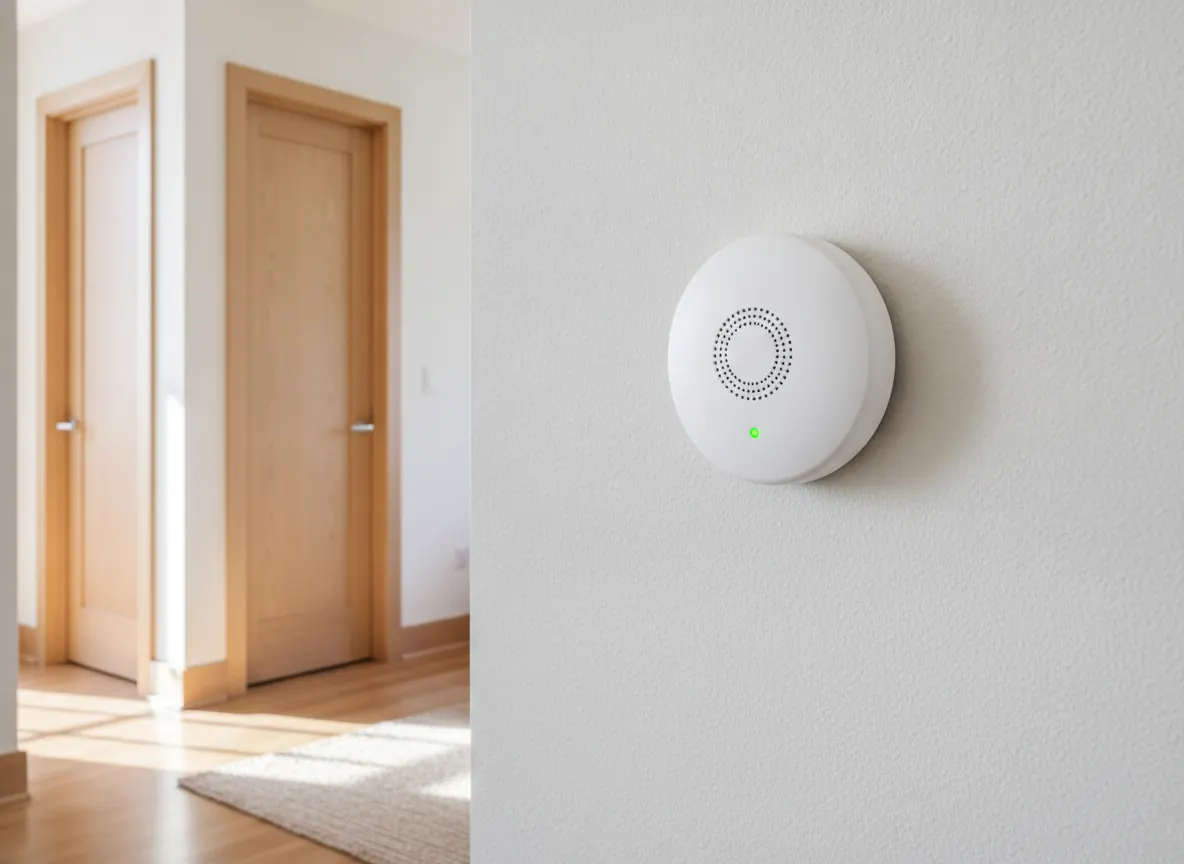
Carbon monoxide comes first. If a CO alarm sounds or anyone feels sick, get everyone outside and call 911. Illinois law requires a working carbon monoxide alarm within 15 feet of every sleeping room in most homes (430 ILCS 135). In rentals, the owner installs the alarms and the tenant tests them and changes batteries.
Few repair words worry a homeowner more than "cracked heat exchanger." It can mean a furnace is unsafe to run, and it often comes with a big estimate. This guide explains what the part does, the signs to watch for, the risks, and what repair or replacement typically costs, so you can ask good questions in Park Ridge, IL before you sign anything.
The short version. The heat exchanger keeps combustion gases out of the air your furnace blows into the house. A crack can let those gases, including carbon monoxide, escape. Signs include CO alarms, soot, a flame that changes when the blower starts, and a technician's camera findings. If a crack is confirmed, the usual choices are replacing the heat exchanger or replacing the furnace. Ask to see the evidence and get a second opinion if you are unsure.
What a heat exchanger does
Inside a gas furnace, burners heat a set of metal chambers or tubes. The blower pushes house air over the outside of that metal, and the exhaust inside it goes out the vent. The metal is the only thing separating the flue gases from the air you breathe. Over many heating seasons, it expands and contracts thousands of times. Overheating from poor airflow speeds up wear, and corrosion can weaken it.
High-efficiency furnaces have a second heat exchanger that pulls more heat from the exhaust and creates condensation. That secondary exchanger can corrode too.
Signs of a cracked heat exchanger
- A CO alarm. Treat any alarm as real. Get out, call 911, and have the furnace checked before it runs again.
- Soot or scorch marks around the burners or on the furnace cabinet.
- Flame changes. A burner flame that wavers, lifts or rolls when the blower starts can indicate air leaking through a crack. Only a technician should look at an open burner area.
- Odd smells when the furnace runs. If you smell gas, leave right away and don't use phones, switches or anything that could spark. Once you're outside and a safe distance away, call Nicor Gas at 888-642-6748 or 911.
- Symptoms such as headaches, nausea or dizziness that ease when you leave the house. These can have many causes, but don't ignore them in a home with fuel-burning appliances.
- Rust, water or corrosion inside the furnace cabinet.
- Repeated safety shutoffs, such as a rollout switch tripping. These need a diagnosis, not repeated resets.
Many cracks show no outside signs at all, which is why technicians look for them during service visits. Hairline cracks can be hard to find, and a single CO reading near a register won't always show a problem.
How technicians check
Visual inspection
They look at the burners, flame pattern and accessible parts of the heat exchanger with a light and mirror.
Camera inspection
A small camera can show cracks or holes deep inside the exchanger.
Combustion and CO testing
They measure CO in the flue and the house air, and watch readings as the blower starts.
Documentation
A careful technician shows you photos or video and notes the model and serial numbers, which matter for warranty claims.
If a technician shuts off the furnace or a utility red-tags it, don't restart it until a qualified company has made it safe. A red tag means the appliance was found unsafe to operate.
Risks of running a furnace with a cracked heat exchanger
The main concern is carbon monoxide entering the air stream. How much, if any, depends on the size and location of the crack, how the furnace runs, and the venting. A crack doesn't always mean dangerous CO levels, but no one can promise it is safe without testing. That is why a working CO alarm matters. Illinois law requires one within 15 feet of every sleeping room in most homes, and alarms near the furnace area add another layer of warning.
Repair vs. replace
Cost guides note that cracks usually aren't practical to repair by patching or welding. The realistic choices are:
- Replace the heat exchanger. This can make sense on a newer furnace, especially if the part is still under a manufacturer warranty. Labor can be significant even when the part is covered. Ask for warranty terms in writing.
- Replace the furnace. On an older or low-efficiency furnace, the cost of a heat exchanger replacement can approach a large share of a new unit. A new furnace also comes with a fresh warranty and may qualify for a 2026 Nicor Gas rebate: $150 for 95% AFUE, $225 for 97% AFUE. Programs change; check nicorgas.com/homerebates.
See how long furnaces last: repair vs. replace for a fuller way to decide, and cracked heat exchanger repair in Park Ridge, IL for what to ask companies.
What it typically costs
| Item | Typical range | Source |
|---|---|---|
| Service call / diagnostic / tune-up | $70–$200 | HomeGuide |
| Heat exchanger replacement | $1,250–$3,000 (avg ≈ $1,750) | Angi/HomeAdvisor, 2025 |
| Furnace replacement | $2,000–$5,400 (avg ≈ $3,700) | HomeGuide |
| High-efficiency furnace replacement | $3,300–$10,000 | HomeGuide |
Replacing a furnace in Park Ridge is permitted work. Park Ridge's permit fee schedule lists a permit for furnace and boiler replacement. Your contractor confirms and pulls it with the City (847-318-5291). In Illinois, a home repair contractor must give you a written contract before starting work over $1,000, plus the state pamphlet "Home Repair: Know Your Consumer Rights." Questions or problems: Illinois Attorney General, 1-800-386-5438.
Getting a second opinion
A cracked heat exchanger finding is worth confirming when it leads to a replacement recommendation. Ask the first company for photos or video and the model number. A second company can inspect and compare. Keep the furnace off while you wait if the first technician found it unsafe, and use space heaters only as their manufacturers direct.
If you can't afford the repair
Cook County households can apply for LIHEAP through CEDA (800-571-2332). CEDA also offers furnace repair or replacement vouchers to eligible homeowners whose heat is out or red-tagged. From December 1 to March 31, Illinois limits utility shutoffs for customers who heat with gas or electric. Eligibility isn't guaranteed; ask CEDA about current rules.
Questions to ask before you hire
- Proof of Park Ridge contractor registration and insurance. Illinois doesn't issue a statewide HVAC license; towns set their own rules. In Park Ridge, contractors register with the City each year and must carry required insurance.
- A written estimate that lists the parts and labor, plus any trip or diagnostic fee.
- A written contract before any work over $1,000, plus the state pamphlet "Home Repair: Know Your Consumer Rights" (Illinois Home Repair and Remodeling Act).
- Who handles the permit, if the job is a furnace or boiler replacement.
- Warranty terms for parts and labor, in writing.
- Rebate paperwork, if new equipment may qualify for a 2026 Nicor Gas rebate.
Questions people ask
Can a cracked heat exchanger be repaired?
Cost guides note that cracks usually aren't practical to repair by patching. The usual options are replacing the heat exchanger or replacing the furnace.
Is it safe to run a furnace with a cracked heat exchanger?
It isn't something to gamble on. A crack can let combustion gases, including carbon monoxide, into the air stream. If a technician finds a crack or the furnace is red-tagged, don't run it until it has been made safe. If a CO alarm sounds or anyone feels sick, get everyone outside and call 911.
How much does a heat exchanger replacement cost?
Published national estimates list heat exchanger replacement at $1,250 to $3,000, with an average around $1,750 (Angi/HomeAdvisor, 2025). Your quote depends on the furnace, the part and any warranty coverage.
Is a heat exchanger covered by warranty?
Sometimes. Check the furnace paperwork or ask the technician to look up the model and serial number. Labor may not be covered even when the part is. Get the warranty terms in writing.
Should I get a second opinion on a cracked heat exchanger?
It is reasonable, especially when the finding leads to a replacement recommendation. Ask for photos or video of the crack, and keep the furnace off in the meantime if it was found unsafe.
Park Ridge Furnace Repair is a free quote service, not a heating company. You describe the problem once, and independent heating companies serving Park Ridge, IL and nearby suburbs may reply with quotes. Companies may pay to receive requests or calls. Companies reply on their own schedules; in a no-heat emergency, also call a company directly. Request free quotes or call (877) 265-2390 to be connected with a local heating company.